CBD for Sports Recovery in the Alps: Does It Actually Work?

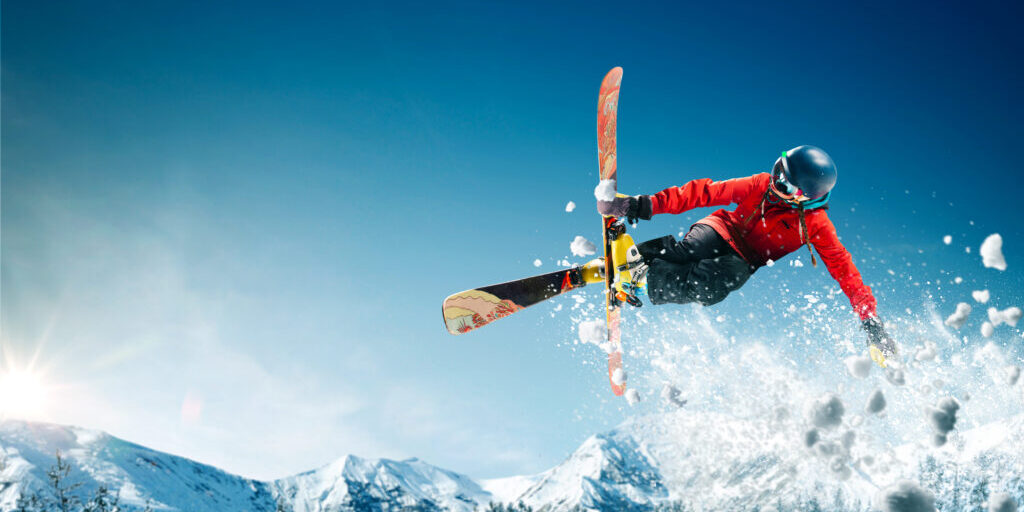
In the heart of the French Alps — from Les Arcs and La Plagne to Tignes, Val d’Isère and Sainte-Foy — performance isn’t seasonal. It’s daily life. Whether you’re skiing steep pistes, riding powder, training in the gym, guiding clients, or hitting downhill MTB trails in the Tarentaise Valley, your body is under constant demand.
Muscle fatigue. Knee strain. Lower back tension. Shoulder impact. For active people living and working in Savoie and across the Alps, recovery is not optional — it’s survival.
CBD has become increasingly popular among athletes and outdoor professionals. But does CBD actually support sports recovery — or is it just hype? Let’s break it down.
What Happens to Your Body After Intense Alpine Sport?
High-intensity activity such as skiing, snowboarding, mountain biking, trail running or strength training creates microscopic tears in muscle fibres. This process is essential for growth and adaptation.
However, it also triggers inflammation, nervous system fatigue, cortisol elevation and Delayed Onset Muscle Soreness (DOMS), typically peaking 24–48 hours post-effort.
In multi-day ski trips or back-to-back riding sessions in Les Arcs bike park, insufficient recovery can reduce performance, increase injury risk and limit consistency.
Understanding the Endocannabinoid System (ECS)
CBD (Cannabidiol) interacts with the body’s endocannabinoid system — a regulatory network involved in maintaining balance (homeostasis). The ECS influences inflammation, pain perception, sleep cycles, immune response and stress regulation.
For athletes and active workers in the Alps, supporting this system may help maintain resilience during high training loads and demanding seasons.
How CBD May Support Sports Recovery
1. Inflammation Balance
Inflammation is necessary for repair, but excessive or prolonged inflammation slows recovery. Emerging research suggests CBD may help regulate inflammatory signalling pathways, potentially supporting a more comfortable return to activity.
2. Muscle Soreness (DOMS)
After carving pistes in Val d’Isère or riding technical descents in La Plagne, quads and glutes often feel heavy and tight. High-quality topical CBD products such as Gorilla Organic Super Strength Balm or Cooling Gel allow targeted application to fatigued muscle groups.
3. Joint Comfort for Skiers & MTB Riders
Alpine sports place repetitive stress on knees, ankles and hips. Mountain biking impacts shoulders and wrists. Topical CBD formulations may support localized comfort, especially during peak winter and summer seasons in the Alps.
4. Nervous System & Sleep Recovery
Deep sleep is where growth hormone release and muscle repair occur. Seasonal workers in Bourg-Saint-Maurice and across Savoie often struggle with stress and long shifts. CBD oil may support relaxation and improved sleep quality — an often overlooked pillar of performance.
Topical CBD vs CBD Oil: Which Is Best for Athletes?
Most athletes use CBD in two main ways: topicals for targeted areas, and oils for whole-body support.
- Topical balm/gel: great for localized muscle fatigue and joint comfort after skiing, snowboarding, or MTB.
- CBD oil: often used for relaxation, stress management and sleep quality.
Many people combine both approaches as part of a complete recovery routine.
CBD vs Traditional Anti-Inflammatories
Many athletes rely on NSAIDs such as ibuprofen. While effective short-term, frequent use may impact gut health and long-term recovery. CBD is being explored as a complementary, plant-based option within a broader recovery strategy that includes mobility work, nutrition, hydration and sleep.
Is CBD Allowed in Professional Sports?
CBD itself is not prohibited by WADA (World Anti-Doping Agency). However, THC remains banned. Athletes competing in Europe or internationally should choose third-party lab-tested products with compliant THC levels.
Why Alpine Athletes Are Turning to CBD
From ski instructors in Les Arcs to endurance athletes training in Tignes altitude camps, CBD is increasingly integrated into holistic recovery systems including mobility work, structured sleep routines, cold exposure and massage.
Recovery is performance insurance — especially in the Tarentaise Valley where seasons are intense and physical demands are high.
Who Can Benefit from CBD for Recovery?
- CBD may be relevant for:
- Skiers & snowboarders in the French Alps
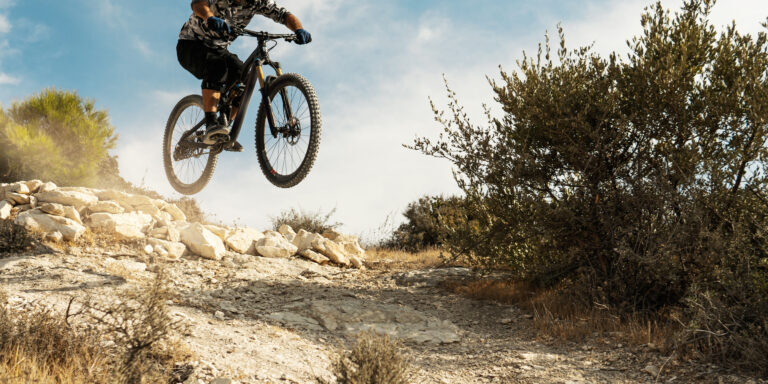
- Mountain bikers in Les Arcs Bike Park and surrounding resorts
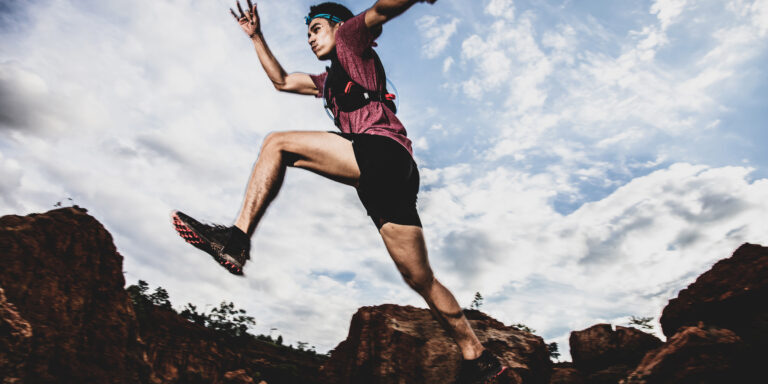
- Trail runners across Savoie and the Tarentaise Valley
- Gym & strength athletes
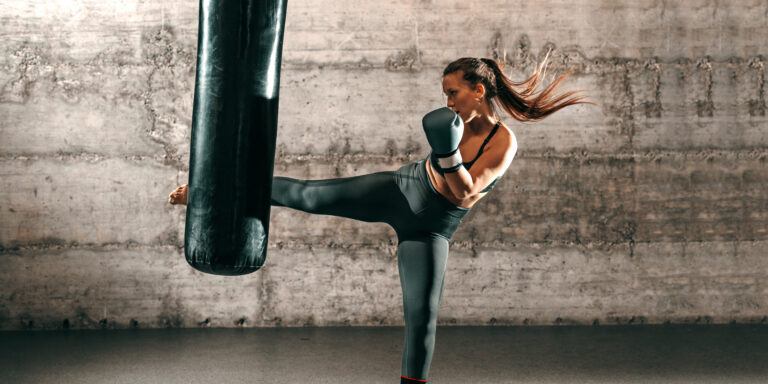
- Combat sport practitioners (Muay Thai, boxing, MMA)
- Active workers (hospitality, construction, guides)
- Anyone who struggles with sleep during busy seasons
Final Thoughts: Train Hard. Recover Smart.
CBD is not a miracle solution. It does not replace structured training, mobility, hydration or sleep. However, it may be a valuable tool within a performance-focused recovery strategy.
For athletes and active individuals across Les Arcs, La Plagne, Tignes, Val d’Isère, Sainte-Foy and the wider Alps region, recovery determines consistency. Train hard. Recover smart. Go Gorilla.