CBD vs Ibuprofen for Alpine Athletes: What’s the Difference?

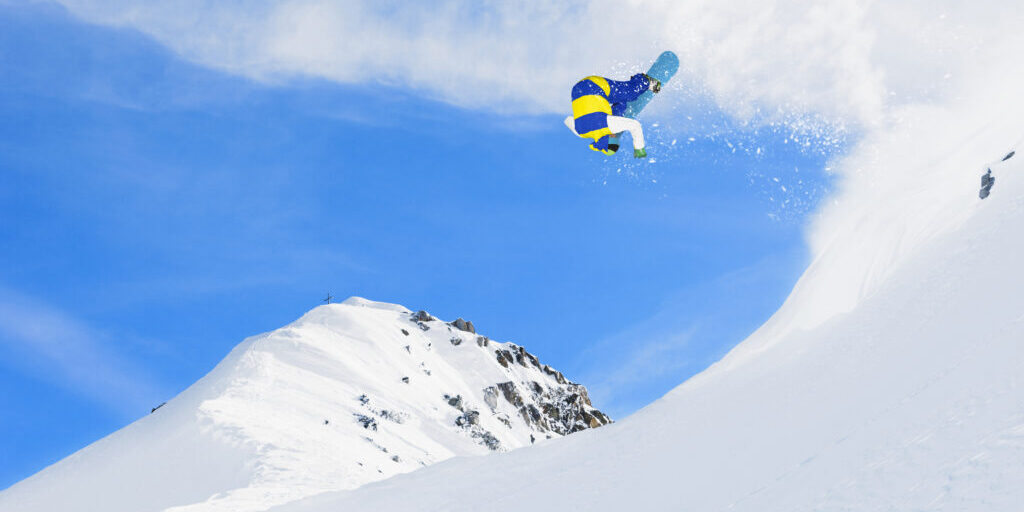
In the French Alps — from Les Arcs and La Plagne to Tignes and Val d’Isère — muscle soreness isn’t occasional. It’s part of daily life.
Ski instructors, snowboarders, mountain bikers and seasonal workers in the Tarentaise Valley often rely on quick solutions to manage soreness and joint stress.
Ibuprofen has long been the go-to option. But CBD is increasingly being used as an alternative or complementary recovery tool. So how do they compare?
What Is Ibuprofen?
Ibuprofen is a non-steroidal anti-inflammatory drug (NSAID). It works by blocking enzymes (COX-1 and COX-2) that produce prostaglandins — chemicals responsible for inflammation and pain signals.
It is effective for short-term inflammation and acute pain. However, frequent use — especially during intense Alpine seasons — may affect the stomach lining, kidneys and long-term tissue adaptation.
What Is CBD?
CBD (Cannabidiol) is a plant-derived compound from hemp. It interacts with the body’s endocannabinoid system (ECS), which helps regulate inflammation, pain perception, sleep and stress response.
Unlike ibuprofen, CBD does not block inflammation entirely. Instead, it may help modulate the body’s inflammatory balance.
Key Differences: CBD vs Ibuprofen
1. Mechanism of Action
• Ibuprofen: Blocks inflammatory enzymes directly.
• CBD: Supports the body’s regulatory systems (ECS) to balance inflammation.
2. Short-Term vs Long-Term Strategy
Ibuprofen is often used for acute flare-ups — for example after a heavy crash in Les Arcs bike park or a long mogul session in Tignes.
CBD is more commonly integrated into a daily recovery strategy during long winter or summer seasons in Savoie.
3. Muscle Adaptation
Some research suggests that frequent NSAID use may interfere with muscle adaptation when used excessively. CBD, by contrast, is typically positioned as a supportive recovery tool rather than a complete inflammatory blocker.
4. Topical vs Oral Options
CBD can be applied topically (balm or cooling gel) directly to sore quads, knees or lower back after skiing in Val d’Isère or La Plagne.
When Might Athletes Choose Ibuprofen?
- Acute inflammation
- Short-term injury management
- Doctor-recommended use
When Might Athletes Choose CBD?
- Daily muscle soreness from skiing or snowboarding
- Joint fatigue during long seasons
- Sleep support at altitude in Tignes or Val d’Isère
- Stress management during peak season
Can They Be Used Together?
Some athletes use CBD as part of a baseline recovery routine and reserve NSAIDs for occasional acute situations. Always consult a healthcare professional for medical guidance.
Alpine Recovery Strategy: Think Bigger Than Painkillers
For athletes in Les Arcs, La Plagne and across the Tarentaise Valley, recovery should include:
- Mobility work
- Hydration
- Sleep optimisation
- Nutrition
- Cold exposure
- Targeted recovery tools such as CBD
Final Thoughts: Performance Over Suppression
Ibuprofen suppresses inflammation quickly. CBD may support balance and long-term recovery. Neither replaces smart training and rest.
For Alpine athletes who want consistency across long seasons, recovery strategy matters more than shortcuts. Train hard. Recover smart. Go Gorilla.